Skip to content
Lobe Food
Sublime Frequencies Downloads and Other Food for Thought…
  • Home
  • About Us
  • Downloads
  • Contact Us
  • FAQ’s
Explore Nature's BeautyPhotographic Blogging

Food

Foods to Avoid with All-on-4 Dental Implants: What Can Harm Your New Smile?

Foods to Avoid with All-on-4 Dental Implants: What Can Harm Your New Smile?

March 28, 2025

All-on-4 dental implants have revolutionized tooth replacement, offering a permanent and aesthetically pleasing solution for individuals with extensive tooth loss. With options like All-on-4 Plus, which incorporates advanced materials and design enhancements, patients enjoy even greater durability and comfort. However, maintaining the longevity and functionality of these implants requires proper care—including being mindful of your diet.

While All-on-4 implants allow you to enjoy most foods again, certain items can put unnecessary stress on the prosthetic teeth or irritate the surrounding gums. Knowing which foods to avoid is one of the essential tips for caring for your implants and ensuring they remain in optimal condition for years to come.

Why Certain Foods Are Harmful for All-on-4 Dental Implants

Certain foods can be particularly harmful to All-on-4 implants due to their texture, acidity, or potential to cause mechanical stress. Hard foods, such as nuts and raw vegetables, can place excessive pressure on the implants, increasing the risk of fractures or loosening. Sticky and chewy foods, like caramel or dried fruit, can cling to the prosthetic bridge, making it difficult to clean and promoting bacterial buildup. Additionally, acidic foods and sugary snacks can irritate the gums surrounding the All-on-4 implants, potentially leading to inflammation or peri-implantitis. To protect your new smile, it’s essential to avoid these harmful foods and follow proper dietary guidelines.

Although All-on-4 Plus implants are designed to be strong and resilient, they are not invincible. Excessive force, abrasion, or exposure to harmful substances can compromise the implant or the prosthetic bridge. Here’s why some foods should be avoided:

– Excessive Pressure: Hard or chewy foods can place unnecessary strain on the implants, increasing the risk of fracture or loosening.
– Abrasive Texture: Rough, gritty, or crunchy foods can wear down the surface of the prosthetic teeth over time.
– Temperature Sensitivity: Extremely hot or cold foods may cause discomfort and weaken the adhesive bonding materials.
– Acidic and Sugary Foods: These can irritate the gums and promote bacterial growth, potentially leading to peri-implantitis (inflammation around the implants).

Foods to Avoid with All-on-4 Dental Implants

1. Hard and Crunchy Foods
While All-on-4 Plus implants offer a stable bite force, extremely hard foods can still cause damage. The excessive pressure required to break down hard items may weaken the prosthetic or even cause micro-fractures.

Avoid:
– Hard nuts (almonds, walnuts)
– Popcorn kernels
– Ice cubes
– Hard candy
– Raw carrots and apples

Alternative Options:
– Opt for nut butters instead of whole nuts.
– Choose cooked or steamed vegetables instead of raw, crunchy ones.
– Use ice in drinks but avoid chewing it.

2. Sticky and Chewy Foods
Sticky foods can dislodge or damage the implant bridge, while chewy foods place excessive force on the prosthetic teeth. Additionally, these foods can get trapped between the prosthetic and gums, increasing the risk of bacterial buildup.

Avoid:
– Caramel, toffee, and taffy
– Chewing gum
– Sticky rice or mochi
– Dried fruit (e.g., dates, figs)

Alternative Options:
– Enjoy fresh fruit instead of dried varieties.
– Choose sugar-free mints instead of sticky candy.
– Opt for tender, slow-cooked meats rather than tough, chewy cuts.

3. Tough Meats and Fibrous Foods
Fibrous or sinewy foods can be difficult to chew, putting extra strain on the implants. Over time, repetitive stress can loosen the implant components or cause discomfort.

Avoid:
– Steak and other tough red meats
– Jerky or dried meat products
– Fibrous vegetables (e.g., celery, artichokes)
– Overcooked poultry with stringy fibers

Alternative Options:
– Choose ground or minced meat for easier chewing.
– Opt for tender fish, chicken, or turkey.
– Slow-cook meat to make it more tender.

4. Acidic and Sugary Foods
Acidic foods can irritate the gums around the implants, potentially causing inflammation. Meanwhile, sugary foods promote bacterial growth, which can lead to gum disease or peri-implantitis.

Avoid:
– Citrus fruits (lemons, limes, oranges)
– Tomatoes and tomato sauce
– Vinegar-based dressings
– Soda, fruit juices, and energy drinks
– Sugary desserts and candies

Alternative Options:
– Choose low-acid fruits, such as bananas or melons.
– Drink water or unsweetened tea instead of acidic beverages.
– Use olive oil or balsamic glaze as a salad dressing alternative.

5. Processed and Salty Snacks
Highly processed foods and salty snacks can promote inflammation, which may affect the gums supporting the implants. They can also contribute to dehydration, reducing saliva production, which is essential for protecting oral tissues.

Avoid:
– Potato chips and pretzels
– Crackers and breadsticks
– Processed meats with high salt content (salami, bacon)
– Pre-packaged frozen meals

Alternative Options:
– Snack on sliced cucumbers or bell peppers.
– Choose unsalted nuts or seeds in moderation.
– Prepare fresh, home-cooked meals with minimal salt.

Essential Tips for Caring for Your Implants

Along with avoiding certain foods, there are other essential tips for caring for your implants to ensure they remain in excellent condition:

1. Maintain Excellent Oral Hygiene:
Brush your All-on-4 implants twice a day using a soft-bristled toothbrush and non-abrasive toothpaste. Use floss or a water flosser to clean around the prosthetic bridge.

2. Stay Hydrated:
Drink plenty of water throughout the day to promote saliva production and prevent dry mouth, which can increase the risk of bacterial growth.

3. Schedule Regular Dental Check-Ups:
Visit your dentist every six months for professional cleanings and implant assessments. If you have All-on-4 Plus implants, your dentist can check the condition of the advanced components and ensure everything is functioning properly.

4. Use Protective Appliances:
If you grind your teeth at night, ask your dentist about a nightguard to protect your implants from excessive wear.

5. Avoid Smoking and Alcohol Abuse:
Smoking and heavy alcohol consumption can slow down the healing process and increase the risk of implant failure.

Safeguarding Your All-on-4 Smile

All-on-4 dental implants, especially advanced options like All-on-4 Plus, offer patients a reliable and aesthetically pleasing solution for missing teeth. However, protecting your investment requires more than just regular brushing—it involves being mindful of your dietary choices. By avoiding hard, sticky, acidic, and overly processed foods, you can prevent unnecessary damage and prolong the life of your implants.

Incorporate these essential tips for caring for your implants into your daily routine, and you’ll enjoy a confident, healthy smile for years to come.

Your Teeth Require Decent Nutrition

Your Teeth Require Decent Nutrition

November 7, 2023

While fillings and cavities address immediate dental issues, it’s worth considering how your long-term diet impacts overall oral health and your risk of more serious problems down the road. It’s also worth acquainting yourself with your local healthy cafes – what types of nutritious menu items do they offer to support strong teeth? Proper nutrition plays an integral role in lifelong dental wellness, from childhood through adulthood and beyond. The foods you choose today can either protect or endanger your smile for years to come.

What role does proper nutrition play in dental health?

A balanced diet with the right vitamins and minerals plays a crucial role in supporting dental health and preventing common issues like cavities and gum disease. Dental fillings and cavities are only part of the side-effects that can result from poor nutrition. Proper nutrition helps form strong, dense tooth enamel that acts as a protective barrier against plaque acids and food particles that can lead to decay. It also supports healthy gum tissues that surround and protect the roots of teeth. When our bodies receive sufficient nutrients from a variety of whole, minimally processed foods, our teeth and gums are better equipped to resist issues and repair any minor damage from daily wear and tear.

How can a diet high in sugar damage teeth over time?

Frequent consumption of sugary foods and drinks can slowly erode tooth enamel over many years when left unaddressed. Sugar feeds the bacteria that are naturally present in our mouths. These bacteria digest carbohydrates and produce acids as a byproduct. It’s the acids that demineralize, or dissolve, the hard enamel on the surfaces of teeth. Without protective enamel, the inner layers of the tooth become vulnerable to decay and cavities. Repeated acid attacks from a diet high in sugar over many years can lead to deep cavities or even tooth loss if not treated early on. It’s best to limit treats with added sugars to mealtimes and choose whole foods as often as possible.

What nutrients are important for dental health?

Calcium, vitamin D, and vitamin C all play critical roles in supporting dental health and protecting teeth from decay. Calcium works together with vitamin D and phosphorus to build strong, dense tooth enamel. Good sources of calcium include dairy products, leafy greens, sardines, and tofu. Vitamin D aids in calcium absorption for enamel mineralization. High levels of vitamin D are found in fatty fish, such as tuna and salmon. Vitamin C from citrus fruits, bell peppers, broccoli and strawberries helps maintain healthy gums and collagen production. It also acts as an antioxidant to protect enamel from acid damage. Getting enough of these key nutrients is important for lifelong dental wellness.

What other factors influence oral wellness?

While proper nutrition lays the groundwork, other lifestyle habits also impact oral health outcomes. Establishing and maintaining good oral hygiene practices like brushing twice per day with fluoride toothpaste, flossing daily, and professional dental cleanings every 6 months helps remove plaque and food particles that cause issues over time. It’s also important to limit consumption of acidic foods and beverages between meals and to rinse out the mouth with water afterwards to neutralize acids. Managing stress, not using tobacco products, moderating alcohol intake, and visiting the dentist regularly can further support a healthy smile. A balanced approach to nutrition, hygiene, and self-care is most effective for lifelong dental wellness.

How can you best support your smile?

Choosing a diet high in whole, minimally processed foods on most days while limiting sugary treats and refined carbs is one of the best ways to nourish your teeth naturally. Focus on lean proteins, healthy fats, complex carbs from foods like quinoa and oats, calcium-rich dairy or plant milks, and a rainbow of fruits and vegetables at meals and snacks. Staying well hydrated by drinking mainly water also supports oral health. Along with smart nutrition choices, make brushing and flossing non-negotiable daily habits. Schedule regular dental exams and professional cleanings. With commitment to nutrition, hygiene and care, you give your smile the best chance of staying strong, bright and cavity-free well into the future.

Final Remarks

Making smart choices with your nutrition, oral hygiene habits and dental care can go a long way in supporting lifelong dental wellness. It’s worth acquainting yourself with your local healthy cafes – what types of nutritious menu items do they offer? Explore the options available in your community. Paying attention to key nutrients like calcium, vitamins D and C helps set the foundation for strong enamel and gums. Limiting sugary snacks and drinks protects against future dental issues. With commitment to proper nutrition, hygiene and care, you give your smile the best chance of staying strong, bright and cavity-free well into the future.

Food Addiction, Ultra-Processed Foods And Oral Health

Food Addiction, Ultra-Processed Foods And Oral Health

February 7, 2023

We all know the dangers of food addiction and how it can lead to health problems. But few of us are aware that ultra-processed foods are actually the most dangerous for our oral health. In this blog post, we’ll explore the food addiction cycle, why ultra-processed foods are bad for your teeth, and what you can do to improve your oral health in light of these facts. From nutrition tips to proper dental hygiene practices, this article will provide you with the tools and resources needed to kick your food addiction and get your oral health back on track.

What is food addiction?

Food addiction is a real and serious problem. It’s estimated that about one in every four people suffers from some form of food addiction, and the problem is only getting worse.

Food addiction is characterized by an uncontrollable urge to eat certain foods, even when you’re not hungry. This can lead to overeating and obesity, as well as a host of other health problems.

Ultra-processed foods are a major contributor to food addiction. They’re highly addictive and can trigger the same brain pathways as drugs like cocaine and heroin. These foods are also linked to poor oral health.

If you think you might be suffering from food addiction, it’s important to seek help from a qualified healthcare professional. There are treatment options available that can help you overcome your addiction and improve your overall health.

What are ultra-processed foods?

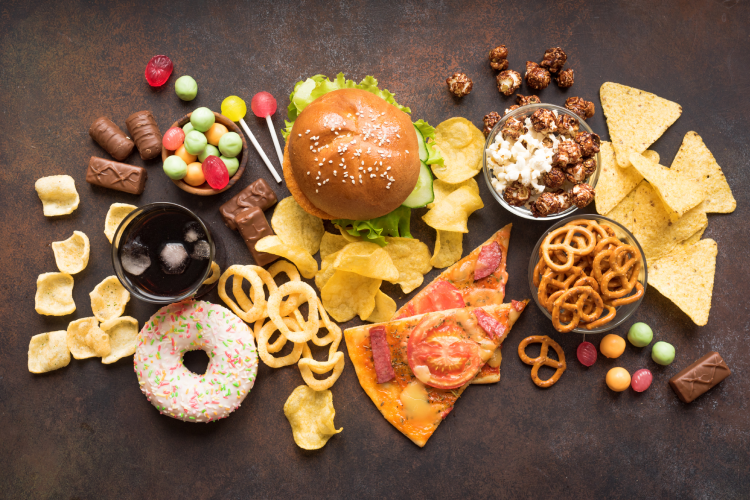
Ultra-processed foods are those that have been highly processed and typically contain additives. They tend to be high in calories and low in nutrients. Some examples of ultra-processed foods include:

-Cake
-Cookies
-Chips
-Soft drinks
-Frozen dinners
-Packaged snacks
-Processed meats

How do ultra-processed foods affect oral health?

Ultra-processed foods are those that have been heavily processed and generally contain a lot of sugar, salt, and fat. They tend to be highly palatable, which means they are very attractive and tempting to eat. Unfortunately, they can also be detrimental to oral health.

The high sugar content in ultra-processed foods can contribute to tooth decay. The bacteria in the mouth thrive on sugar and produce acids that attack the tooth enamel. Over time, this can lead to cavities and over the time this cavities could lead to dental problems or worst tooth loss. One of the most common dental restoration includes dental crowns and bridges that can help you regain your smile.

Similarly, the high salt content in ultra-processed foods can also cause problems for oral health. Salt can increase the risk of gum disease by making the gums more inflamed and susceptible to infection. It can also lead to dry mouth, which can make it more difficult for the mouth to recover from an injury or fight off infection.

Finally, the fat content in ultra-processed foods can also have an impact on oral health. Fatty foods can increase the risk of developing plaque, which is a sticky film that covers the teeth and promotes tooth decay. In addition, fatty foods can also make it more difficult for saliva to do its job of cleansing the mouth and removing food particles.

How to maintain good oral health?

Good oral health is important for overall health and well-being. Here are some tips on how to maintain good oral health:

1. Brush your teeth at least twice a day with a fluoride toothpaste.

2. Floss your teeth daily.

3. Quit smoking or using tobacco products.

4. Eat a balanced diet and limit sugary snacks and drinks.

5. Visit your dentist regularly for checkups and cleanings. But some people suffers from odontophobia are people who have a fear of dentists.

Food Addiction and Ultra-Processed Foods: The Bottom Line

When it comes to food addiction and ultra-processed foods, the bottom line is this: These foods are addictive and they’re wreaking havoc on our oral health.

Ultra-processed foods are packed with sugar, salt, and fat – all of which are extremely addictive. And, studies have shown that these foods can actually change the way our brains function, making us crave them even more.

What’s more, these foods are loaded with harmful chemicals that can damage our teeth and gums. In fact, one study found that people who eat a lot of ultra-processed foods have a higher risk of gum disease.

So, if you’re struggling with food addiction, it’s important to cut back on these foods and focus on eating more whole, unprocessed foods. Your body – and your teeth – will thank you!

A Cosmetic Smile Makeover For Your Music Video?

A Cosmetic Smile Makeover For Your Music Video?

July 23, 2021

Once upon a time, music was music. Then it became an industry, and then it became ever-more a visual media as much as an audio one. And so here we are today thronged by superficiality, where images sell more songs than the songs themselves.

And so it is that prior to producing a music video, many musicians are fixing their crowded or crooked teeth with Invisalign paid for by the record company if they’re lucky. If they were born with a silver spoon in their mouths already, then this whole matter will have been settled in their childhood or adolescent years – how efficient!

In the Tina Arena of surface matters, upbeat pop music needs the biggest smiles with the biggest confidence and few have a bigger smile than Janet Jackson.

When you search for music videos that feature smile makeovers you’ll get comments like this with videos: “We love seeing you smile! Here we go with a big smile makeover for Leah 🩺💕 she used to have composites done and now she has upgraded to porcelains for a more natural look.”

But nothing that shows a music video with then a back-story of the cosmetic dentistry involved in putting that dazzling smile onto the TV.

Let’s hope that very soon there will be a TV show about dentists where we can enjoy a mix of celebrities in there too – perhaps a reality TV show? Am sure it’s coming soon.

Don’t let the ADA in on it though as being a government association they’ll want to control every scene and probably want a cut of profits too. Some things are better done by private enterprise.

If you look deeper enough on Google you may find a dental marketing expert in Sydney or Melbourne who could pull it all together.

Rock & Pop Stars With Crooked Teeth

Perhaps it’s time to focus on the history of rock and the crooked teeth that have graced our TV screens in music videos and beyond.

Leif Garrett was a pin up boy with a golden smile. A blonde pop god whose poster was on the wall of every adolescent girl in Glenelg where I grew up. The brothers’ bedrooms were fully plastered with only one pop star – Debbie Harry of Blondie.

But Leif had crooked teef.

That did not deter the girls, but would it be the same in the 2020s? Not a chance. Our girls demand perfection and it’s why so many men now have insecurities around their looks.

Actually, not so. I was just taking you on a little journey into the fake news that’s so easy to fabricate nowadays.

Leif had immaculate teeth.

And Debbie Harry too.

Ah, good times.

Significant things to note about Biltong

Significant things to note about Biltong

January 9, 2020

Biltong is a famous South African dried, ready to eat snack that involves cutting meats into thin strips, mixing with various ingredients and drying which naturally preserves the meat eliminating the need to refrigerate.  Biltong can be purchased mostly on every South African grocery stores. A number of meats can be used in the production of Biltong from beef, fish fillets, game meat, etc. however the strips should be preferably not thicker than 1 cm to enable them to dry quickly before going bad. Currently owing to in nutritional value this South African biltong beef jerky has grown its popularity worldwide becoming a preferable alternative to other snacks such as potato chips, popcorns, etc. and as a result, most snack manufacturers are adding Biltong to their product lines.

Why chose Biltong over other snacks?

As consumers, we are always looking for healthier foods and snacks that ensure our nutritional requirements are met and great taste to enjoy along with the other benefits. Biltong is tender which makes it easy to chew with additional traditional ingredients that give it the desired great taste for you to enjoy. Furthermore, the snack is a healthier alternative to other snacks with sufficient iron, natural proteins that are crucial for muscle growth and maintenance which is very important for athletes and other sports personalities as well as a good source of vitamin B12 responsible for the development of red blood cells. Despite these many benefits, it is good to note that “too much of anything poisonous” and therefore should be eaten with moderation considering in excess its likely to result in weight gain and high cholesterol in the body.

Steps followed in making Biltong

The South African ways of making Biltong involves a series of steps that will ultimately result in one of the most delicious snacks for you to enjoy with friends and family. However, you need the knowledge and patience to come up with the best Biltong and it generally involves steps such as;

  • Selection of the meats

There are many different types of meat which can be used in the development of Biltong however I recommend beef for beginners considering it is more likely to suit most tastes. You should avoid fatty meats to minimize the probability of spoilage during the drying process and bearing in mind that drying will lead to a significant loss in mass you should buy in bulk match with the amount of finished snacks which you want to make

  • Meat preparation

It is always advisable to first remove any excess fats if any to prevent spoilage and increase the life of the end product. Afterward, cut the meat into slices preferably of thickness less than 1 cm to ensure it dries quickly before going bad and length of no longer than 20 cm. one of the simplest ways to prepare the meat slices for drying is basting and seasoning simultaneously. Use a wide tray to baste laying your steak slices on it and add an even layer of basting and seasoning on its surface. You can add other spices of choice depending on what you want the final snack to taste like.

  • Drying

The meat slices can be dried in a heat controlled chamber i.e. a Biltong maker that is also necessary for controlling flies swarming the meat slices. Humidity levels should be monitored and maintained at acceptable levels particularly during humid seasons to keep it from leading to spoilage of the snack. The drying process can take between a day to ten days depending on the drying method used and other preferences.

Make sure to always go for the highest quality South African food providers. Once familiar with this process, you can then experiment with different meats, drying techniques, basting and seasoning to ultimately come up with a biltong snack suited for you.


Search for:

Recent Posts

  • The Intersection of Food, Aesthetic Health, and Your Smile: A Holistic Approach to Wellbeing
  • Nourishing the Senses: How Food Influences Our Body, Mind, and Smile
  • Food for Thought: How What We Eat Shapes Culture, Senses, and Wellbeing
  • Dietary Tips and Care for Faster Recovery After All-on-4 Implant Surgery
  • Foods to Avoid with All-on-4 Dental Implants: What Can Harm Your New Smile?
  • Home
  • About Us
  • Downloads
  • Contact Us
  • FAQ’s
Copyright © 2026 Lobe Food. All rights reserved.